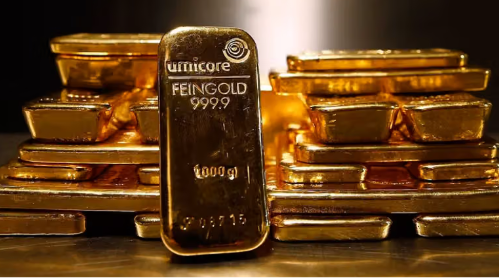
Why the gold program loss happened
The Bank of Ghana launched this program to increase its foreign-exchange reserves. To do this, it provided the money for a government organization called GoldBod.
According to a report from the International Monetary Fund (IMF), the heavy losses were caused by high service fees, costs for testing the gold (assay charges), and trading margins.
The outcome and new changes in reserve value
Despite the financial loss, the program was successful in one area: it helped raise Ghana’s international reserves by $3.9 billion, bringing the total to $11.9 billion by the end of 2025.
However, Bloomberg revealed that the high cost of these trades hurt the central bank’s overall financial health, pushing its negative equity to 6.7% of the nation’s gross domestic product.
To prevent further losses for the bank of Ghana, the responsibility for buying gold was officially moved to GoldBod.
Now, the government and GoldBod will handle the costs, and these expenses will be listed clearly in the national budget.
About the new GoldBod
In 2025, the Ghana Gold Board (GoldBod) was formed as the only agency officially authorized to buy gold from the nation’s artisanal and small-scale miners.
Its core mission is to help Ghana, the largest gold producer in Africa, build up its bullion reserves to provide better stability for the cedi, the local currency.
Although the Bank of Ghana previously provided the money for these gold buys, Business Insider Africa recently reported that the government authorized a 5 billion cedi ($430 million) payment to shift this financial role directly to the state through GoldBod.
Source: Africabusinessinsider