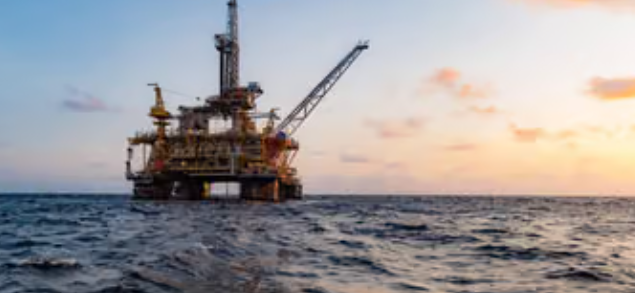
The ambitious target would more than double the country’s current crude oil production and strengthen Nigeria’s position as Africa’s largest oil producer at a time when higher output is crucial for government revenues, foreign exchange earnings and economic growth.
“The national target is to get to 3 million barrels by 2030. I believe we are able to get there,” Oritsemeyiwa Eyesan, chief executive of the Nigerian Upstream Petroleum Regulatory Commission (NUPRC), said.
She said faster permitting, licensing and crude sales processes were among the key reforms helping to unlock investment across the upstream oil sector.
Eyesan, who was appointed in December 2025 as part of President Bola Tinubu’s broader effort to revive Nigeria’s petroleum industry, said many of the factors that previously discouraged investment were now being addressed.
The Tinubu administration has introduced a series of fiscal incentives, including tax relief and regulatory reforms, to encourage fresh investment from both international oil companies and indigenous producers.
The measures are beginning to translate into stronger production.
Nigeria’s crude oil output averaged 1.56 million barrels per day in June, the highest monthly level since April 2020, according to NUPRC data.
Earlier this month, ExxonMobil announced plans to begin drilling at its 40,000-barrel-per-day Owowo field from August, while Renaissance Africa Energy reported a new oil discovery, adding to expectations that fresh projects could support future production growth.
According to Eyesan, Nigerian-owned companies now account for around 60% of the country’s oil production, highlighting how the industry has changed following the sale of onshore and shallow-water assets by several international oil majors to indigenous operators.
Many of those local producers have taken advantage of stronger oil prices to reactivate previously shut-in wells and increase production.
However, analysts say restoring old fields alone will not be enough if Nigeria is to achieve its long-term ambition.
Oliver Onyekweli, West Africa energy leader at McKinsey & Company, said sustained growth would require significant investment in new developments capable of bringing additional reserves into production.
Source: Africabusinessinsider