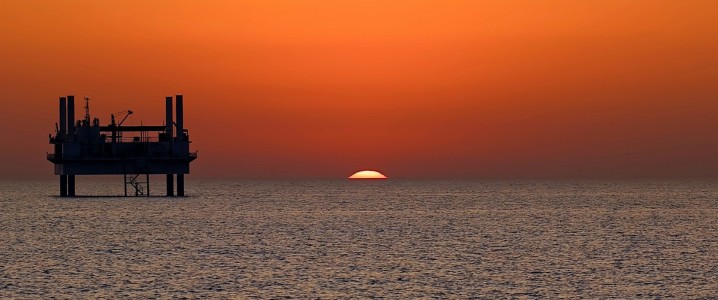
BP Plc.(NYSE:BP) has officially launched commercial production of natural gas from the deeper reservoirs of the Azeri-Chirag-Gunashli (ACG) block, Azerbaijan’s largest oilfield. Additionally, the British energy giant is looking to expand its regional footprint by preparing to take over as the operator of the massive offshore Babek gas field.
Energy market observers will view the dual aim here as significantly deepening Western energy integration in the Caspian Sea, strengthening Azerbaijan’s role as a vital alternative gas supplier to Europe.
The start of non-associated gas (NAG) production represents a historic shift for the massive ACG oil field. This marks the first time ever free natural gas is being extracted commercially from reservoirs situated below and above the main ACG oil formations. NAG formations at ACG are highly lucrative, holding an estimated 4 to 6 trillion cubic feet of recoverable gas reserves. Extracted gas and condensate will be routed directly to the onshore Sangachal Terminal via existing subsea pipelines to maximize operational efficiency.
As BP expands its current assets, it is simultaneously preparing to spearhead a major new offshore development. BP is transitioning the offshore Babek gas field away from a state-run unit of the State Oil Company of Azerbaijan (SOCAR) into a separate, independently operated project. The Babek field is a tier-one asset estimated to hold 400 billion cubic metres (bcm) of gas and 80 million tonnes of condensate. Moving into Babek aligns with BP’s aggressive target to bolster its regional upstream production toward 250,000 barrels of oil equivalent per day by 2027.
Gas from the Azeri-Chirag-Gunashli (ACG) block in the Caspian Sea will be exported to Europe. Azerbaijan is quickly becoming a crucial strategic energy partner for the European Union, currently supplying about 5% of the bloc’s total gas demand. Azerbaijani gas delivered through the Southern Gas Corridor has become a structural pillar of the continent’s energy security and resilience as Europe continues to diversify away from Russian fossil fuels.
The Southern Gas Corridor is a 3,500-kilometer pipeline network stretching from the Caspian Sea to Southern Europe. It links natural gas from Azerbaijan’s Shah Deniz field directly to European markets.
Source: Oilprice